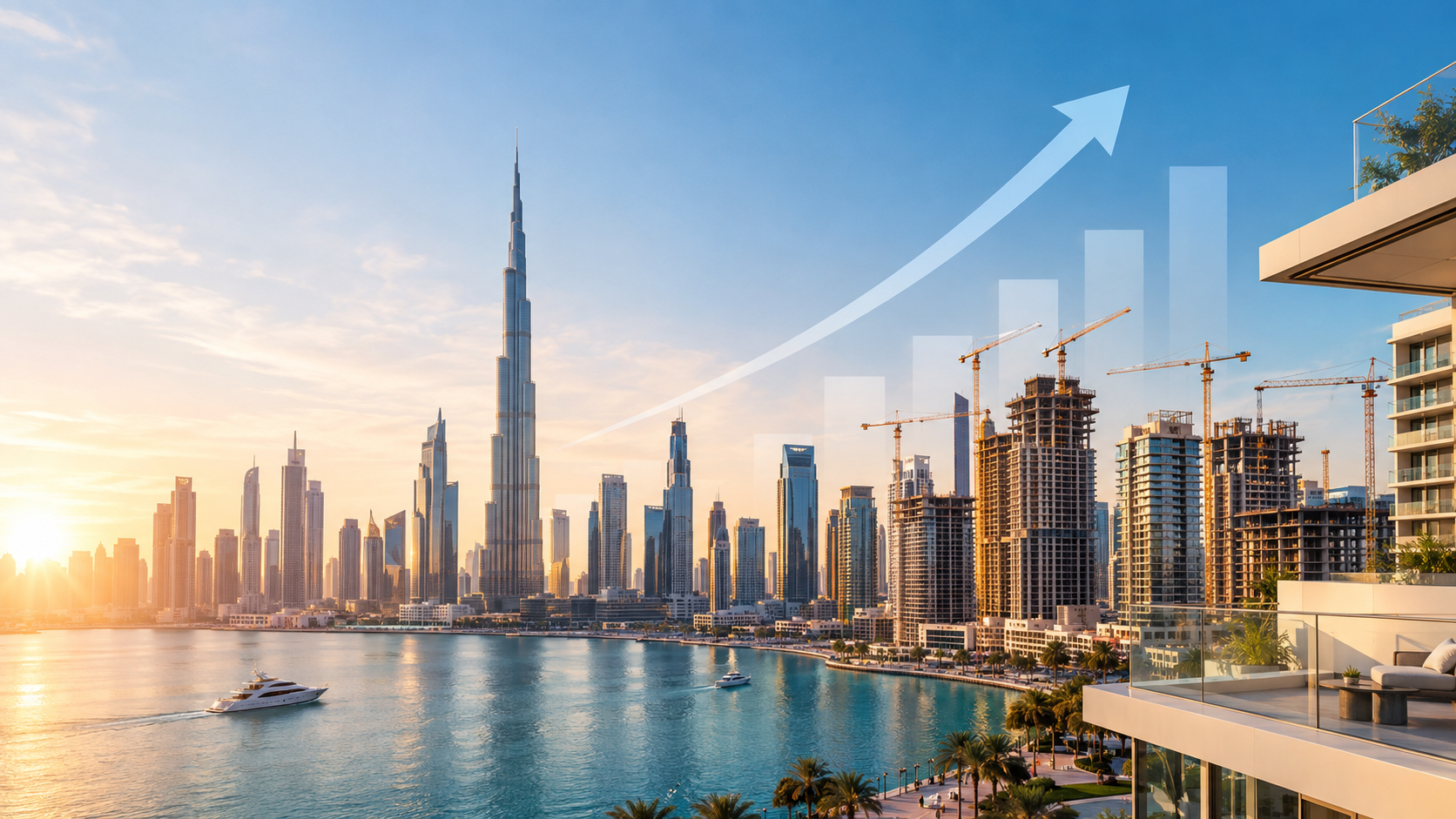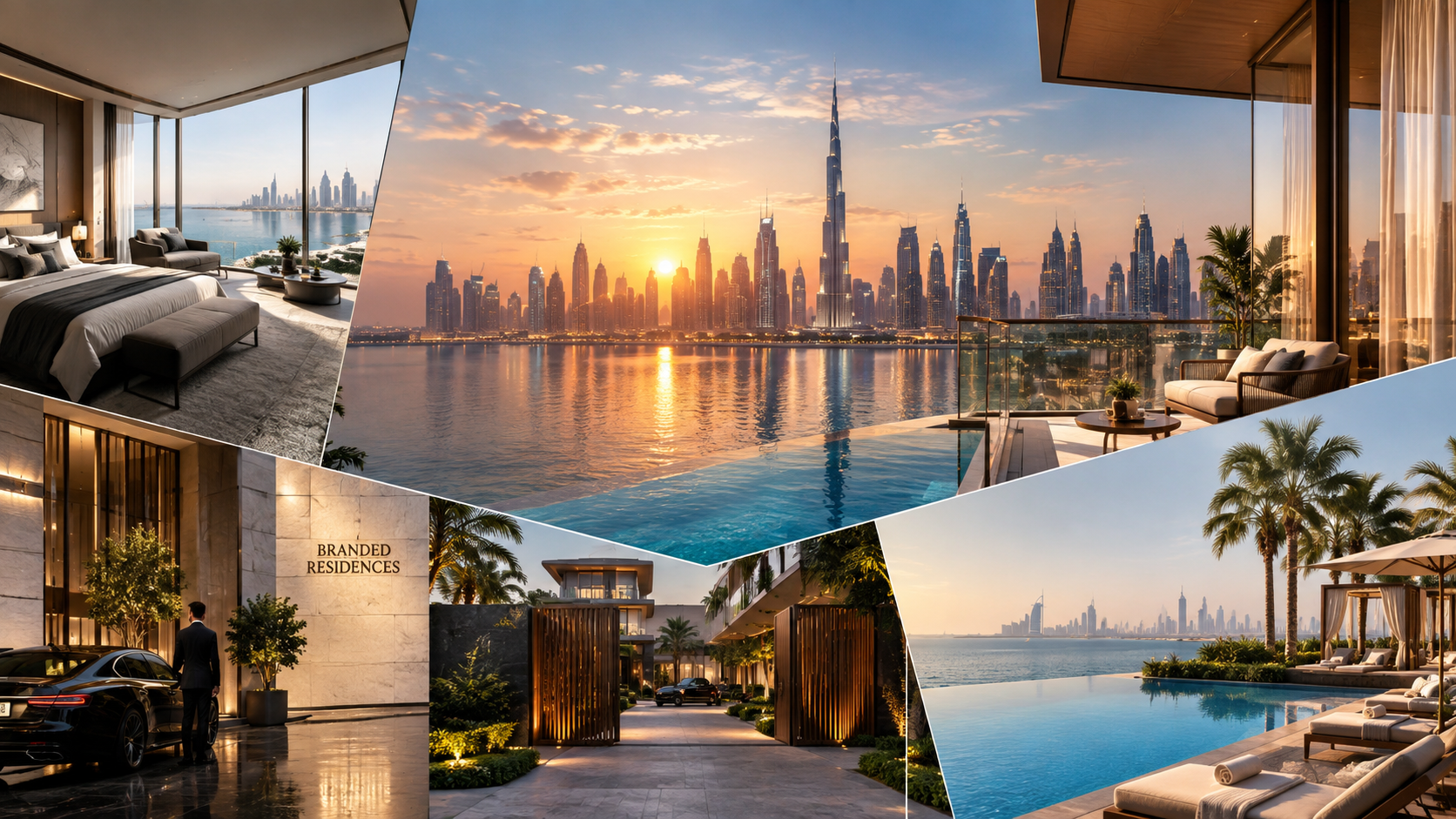
This wave of infrastructure development is directly impacting the real estate market. Areas that were once considered secondary are now gaining strong investor attention due to improved accessibility. The rise of transit-oriented developments (TOD) means that properties located near metro lines, rail stations, and major road networks are seeing higher demand and stronger rental yields. In addition, the expansion of Al Maktoum International Airport is accelerating growth in Dubai South, turning it into one of the most promising emerging investment hubs.
Overall, infrastructure and real estate in Dubai are deeply interconnected, creating a powerful cycle of growth. As connectivity improves, property values tend to follow often before projects are even completed. For investors, this presents a strategic window to enter the market early, particularly in developing areas poised for future demand. In a city where infrastructure drives value, those who act ahead of the curve are the ones most likely to benefit.